
Packing
How to Pack Every Room in Your Home
October 8, 2026
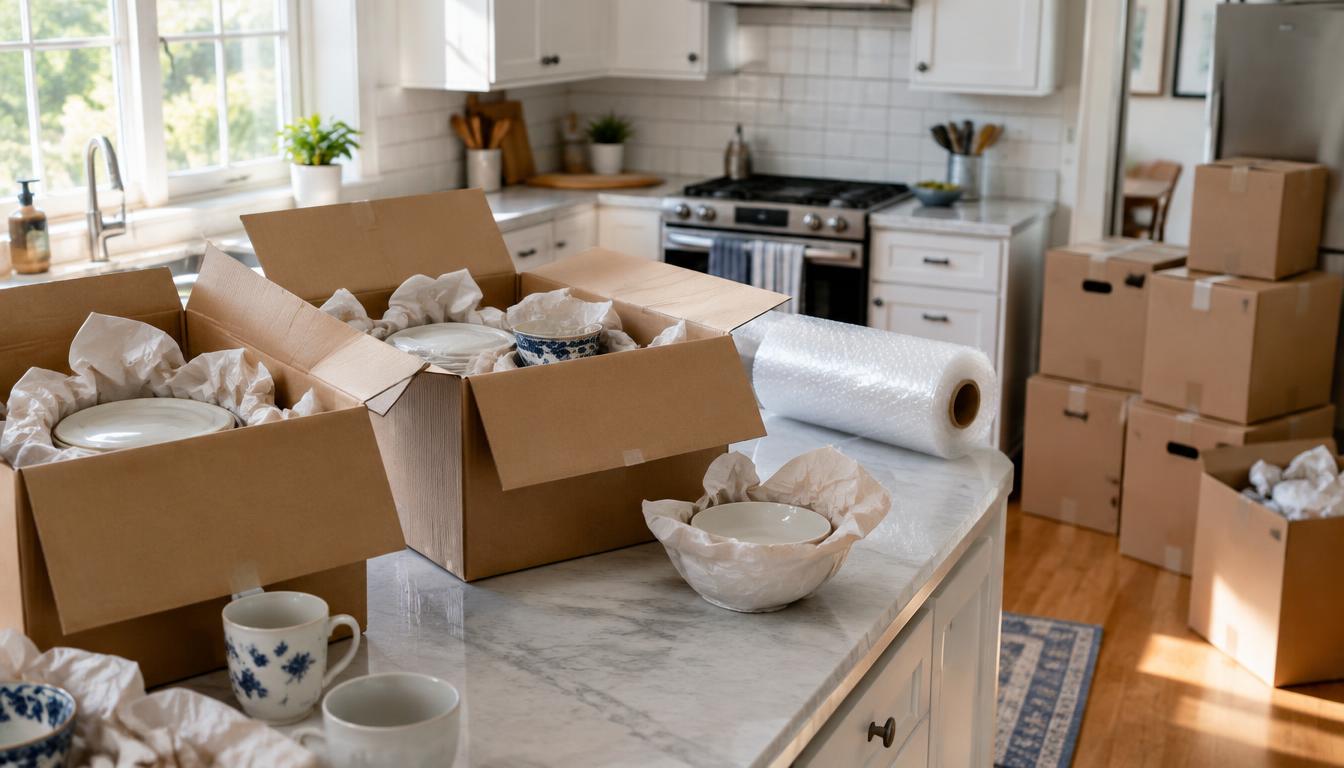
Packing an entire home can feel overwhelming if you try to think about it all at once. Breaking the job down room by room makes it far more manageable, and it helps ensure that nothing gets forgotten in the shuffle. Here's how to approach each major area of your home so your move stays organized from start to finish.
If packing isn't something you want to tackle alone, our packing services team can handle part or all of the job, including supplying materials and wrapping fragile items properly.
Kitchen
The kitchen is often the most time-consuming room to pack because it's full of fragile, oddly shaped, and heavy items.
- Wrap dishes individually in packing paper and pack them on their edge, like records, rather than stacked flat
- Use dish-pack boxes with dividers for glassware when available
- Pack heavier items like small appliances toward the bottom of sturdy boxes
- Leave food in sealed containers or coolers if you're transporting it yourself
- Keep a box of daily-use kitchen items separate to unpack first at your new home
Living room and family room
- Remove batteries from remotes and electronics before packing
- Take photos of entertainment system cable setups before disconnecting
- Wrap framed artwork and mirrors in moving blankets or bubble wrap, and mark boxes "fragile"
- Disassemble larger furniture where possible to make it easier to move
- Pack books in small boxes since they get heavy quickly
Bedrooms
- Use wardrobe boxes to move hanging clothes without folding or wrinkling them
- Pack out-of-season clothing first since you won't need it immediately
- Keep jewelry, important documents, and valuables in a bag you carry personally
- Strip and pack bedding a day or two before moving day
- Label boxes by which bedroom they belong to if multiple family members are packing
If your move involves a senior family member or a long-time home full of sentimental belongings, our guide on senior downsizing moves offers additional guidance for that specific situation.
Bathrooms
- Pack toiletries in leak-proof bags before boxing them
- Dispose of expired medications and products rather than moving them
- Keep a small bag of essentials (toothbrush, medications, basic toiletries) with you for moving day
- Wrap glass items like soap dispensers or mirrors carefully
Home office
- Back up important files before disconnecting computers
- Keep original documents like passports, deeds, and contracts with you, not in a moving box
- Label cables and cords, or photograph setups before disassembling
- Pack a dedicated box for frequently used office supplies to unpack first
Garage, attic, and storage areas
These areas tend to accumulate items you haven't touched in years, making them a great opportunity to declutter before the move.
- Sort tools, sporting equipment, and seasonal decorations into keep, donate, and discard piles
- Drain gas and oil from equipment like lawnmowers before transport
- Use sturdy boxes for heavy items like tools, and don't overpack them
- Consider a storage solution if you're downsizing and need a temporary place for excess belongings
Kids' rooms
- Let children help pack a small box of their own favorite items for a sense of control
- Pack toys by category rather than tossing everything into one box
- Keep a few comfort items, like a favorite stuffed animal, out for moving day
- For more guidance on managing the emotional side of the move, see our article on moving with kids
Fragile and specialty items
Pianos, antiques, artwork, and medical equipment need extra care and sometimes specialized equipment to move safely. If your home includes any of these, our specialty moving team is trained to handle them properly, and our article on packing fragile items covers additional techniques.
General packing tips that apply to every room
- Pack heavier items in smaller boxes and lighter items in larger boxes
- Fill empty space in boxes with packing paper so items don't shift during transport
- Label every box with its room and a general description of contents
- Keep an inventory list as you pack so you can confirm everything arrives
Frequently asked questions
What room should I pack first?
Start with rooms and items you use least often, like storage areas, guest rooms, and off-season clothing. Save daily-use areas like the kitchen and bathroom for closer to moving day.
How many boxes do I need to pack a whole house?
It varies widely based on home size and belongings, but a general guideline is 10 to 15 boxes per room for an average household. A free quote conversation with our team can help you estimate supplies based on your specific home.
Should I pack my own fragile items or hire professionals?
Hiring professionals for fragile and high-value items can reduce the risk of damage, since movers use specialized materials and techniques. Our packing services team is available if you'd rather not handle delicate items yourself.
What shouldn't I pack in a moving box?
Avoid packing hazardous materials like propane tanks, flammable liquids, or perishable food in moving boxes. Keep valuables, medications, and important documents with you instead of on the truck.
How early should I start packing?
For most households, starting four to six weeks before moving day gives you enough time to pack thoughtfully without rushing. Check out our full moving checklist for a week-by-week breakdown.
Packing doesn't have to be stressful when you tackle it room by room and plan ahead. If you'd like help with packing, storage, or the full move, get a free quote or contact our team today.