
Moving tips
Moving with Kids: A Parent's Guide to a Smoother Move
October 8, 2026
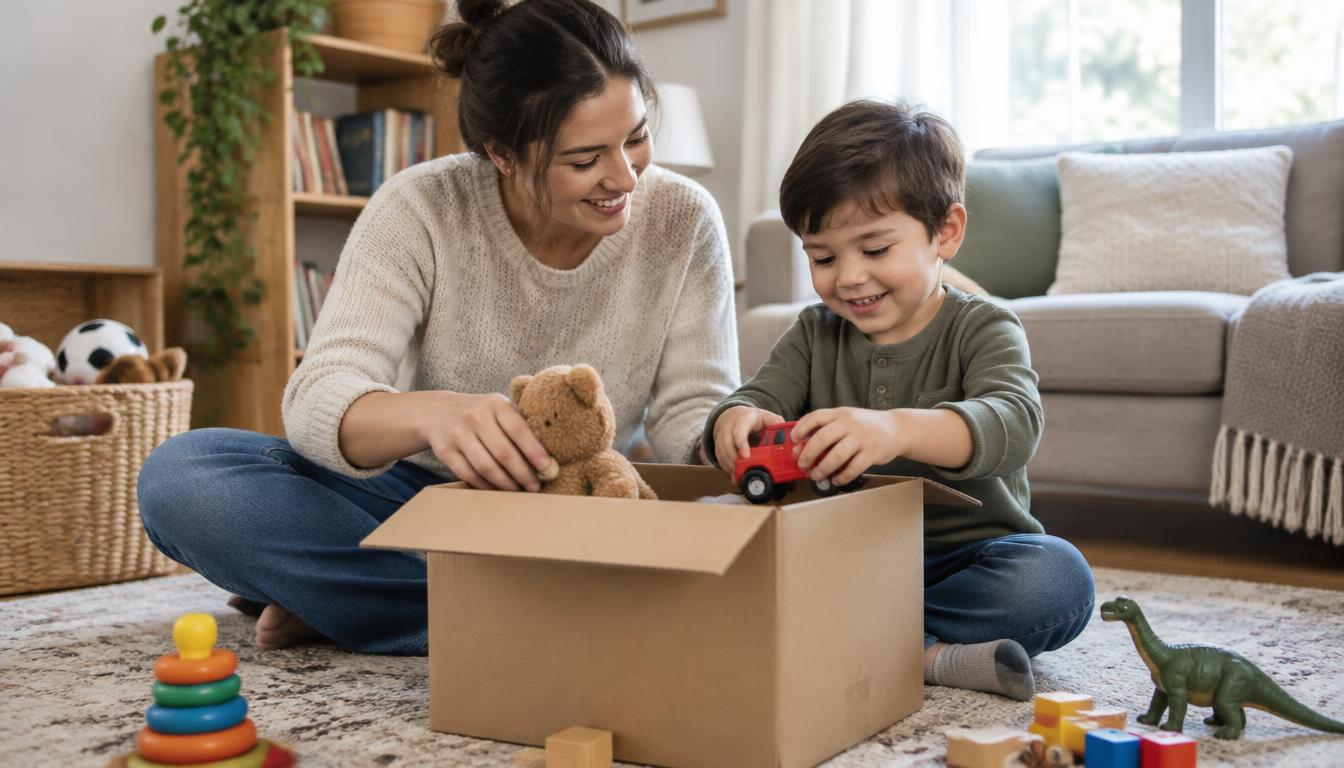
Moving is a big adjustment for adults, and it can be even more disorienting for children, who often have less control over the decision and less context for why it's happening. With some planning and open communication, you can help your kids feel more secure throughout the process and settle into your new home faster.
Whether you're moving across town or relocating out of state, here's how to make the transition easier on the whole family.
Talk to your kids early and honestly
Children generally handle change better when they have time to process it rather than being surprised. As soon as your move is confirmed, sit down with your kids and explain what's happening in age-appropriate terms.
- Explain where you're moving and, if possible, show them photos of the new home or neighborhood
- Give them a chance to ask questions, even ones you don't have a full answer for yet
- Acknowledge that it's normal to feel sad about leaving friends, a school, or a familiar home
- Highlight a few things they might be excited about in the new location
Involve them in the process
Kids tend to feel more comfortable with change when they have some sense of control over it. Letting them participate in age-appropriate tasks can make a real difference.
- Let younger kids pack a small box of their own favorite toys and books
- Ask older kids to help research the new neighborhood, parks, or activities
- Let them choose how to decorate their new room, even if it's just picking a paint color or bedding
- Assign a simple job on moving day, like keeping track of a pet or a specific box
Keep routines as steady as possible
Consistency is one of the most reassuring things you can offer a child during a disruptive time. Try to maintain regular mealtimes, bedtimes, and family rituals even amid the chaos of packing.
- Stick to normal bedtime routines even if the house is full of boxes
- Keep comfort items, like a favorite blanket or stuffed animal, easily accessible rather than packed away
- If possible, avoid scheduling the move right before a major event or holiday
Plan for moving day itself
Moving day is often the most chaotic part of the process, with movers coming in and out and most of the household in boxes. For younger children especially, it can help to arrange for them to be somewhere calmer during the busiest hours, such as with a relative or sitter, and join later once things have settled.
- Pack a "moving day bag" for each child with snacks, entertainment, and comfort items
- Keep a familiar item, like a favorite pillow, out of the moving truck for immediate access
- If kids are present during the move, give them a safe space away from foot traffic and heavy lifting
Helping kids adjust to the new home
Once you've arrived, the adjustment period isn't over. It can take weeks or even months for kids to feel fully settled, especially after a long distance move.
- Set up your child's room as early as possible so they have a familiar space to retreat to
- Explore the new neighborhood together, finding parks, libraries, or kid-friendly spots
- Encourage them to stay in touch with old friends through calls or video chats
- Enroll them in school or activities as soon as possible to help build a new routine and social circle
Moving with kids at different ages
Needs vary quite a bit depending on a child's age, so it helps to tailor your approach.
- Toddlers and preschoolers respond well to simple, repeated explanations and benefit most from routine consistency
- School-age children often want more detail and may need help processing the social side of changing schools
- Teenagers may have stronger feelings about leaving friends behind and often appreciate being included in logistical decisions, like choosing their new room
When the move is tied to a bigger family transition
Sometimes a move with kids happens alongside other major changes, like downsizing a family home or relocating for a parent's job. If your family is also helping an older relative move at the same time, our senior downsizing moves guide may be a helpful resource for managing both transitions together.
Frequently asked questions
How do I tell my child we're moving?
Be honest and direct, explain the reason for the move in simple terms, and give your child space to express their feelings. Try to have this conversation as early as possible so they have time to adjust.
Should kids be present on moving day?
It depends on their age and temperament. Younger children often do better away from the busiest parts of moving day, while older kids may want to be involved and can even help with light tasks.
How can I help my child make new friends after a move?
Enrolling them in school, sports, or community activities as soon as possible helps create natural opportunities to meet other kids. Encouraging them to stay in touch with old friends can also ease the transition.
What should go in a moving day bag for kids?
Pack snacks, a favorite comfort item, entertainment like books or a tablet, a change of clothes, and any necessary medications. Keep this bag with you rather than on the moving truck.
How long does it typically take kids to adjust to a new home?
It varies by child, but it's common for the adjustment period to last anywhere from a few weeks to a few months. Patience, routine, and open communication all help speed up the process.
Moving with kids takes extra planning, but a little preparation goes a long way toward a smoother transition for the whole family. If you'd like help managing the logistics of your move, get a free quote or contact our team today.