
Storage
Storage Tips: How to Store Your Belongings Safely
October 8, 2026
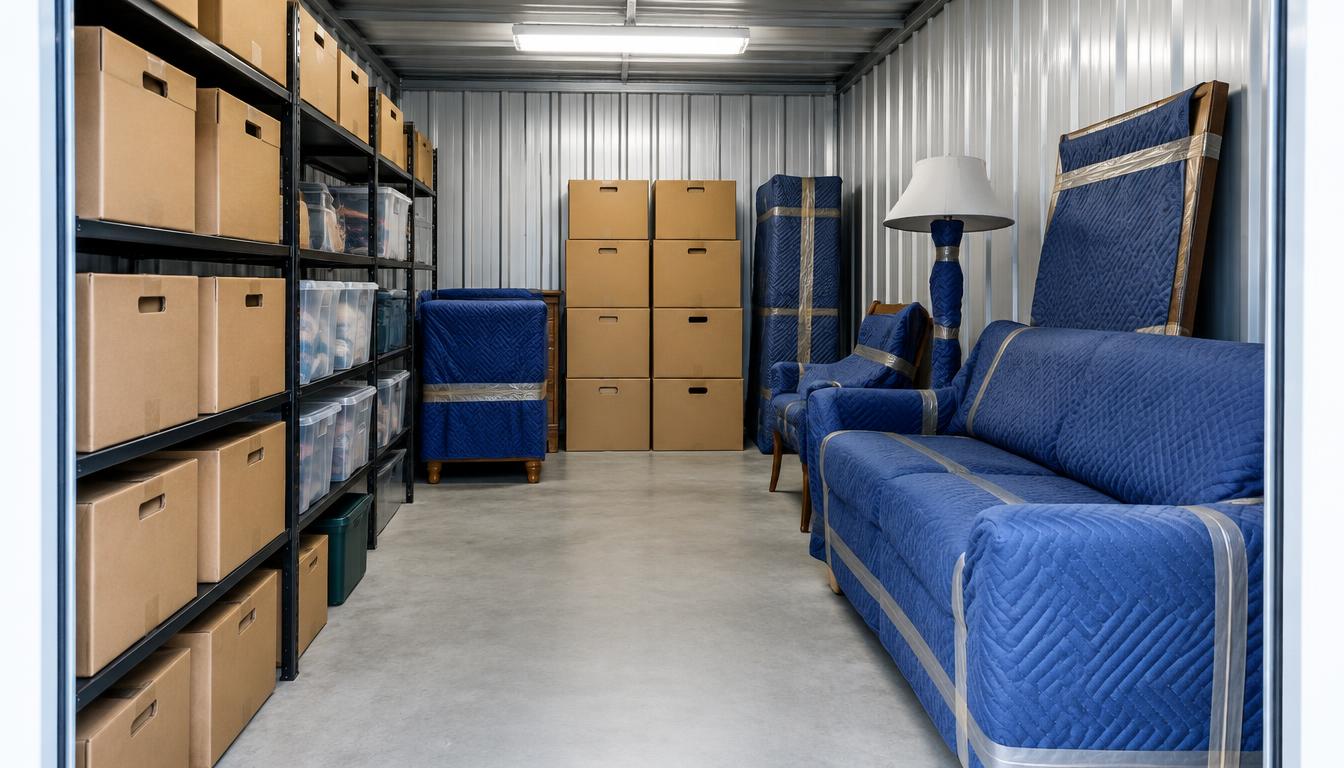
Why proper storage planning matters
Storage is often treated as an afterthought during a move, but it deserves just as much planning as the move itself. Whether you need a place to keep belongings between homes, extra space during a renovation, or long-term storage for seasonal items, how you prepare and pack matters just as much as where you store things.
With decades of experience helping families move and store their belongings, we've seen which habits protect items well and which ones lead to damage, mold, or disorganized chaos months later. Here's what we recommend.
Choosing the right type of storage
Not all storage situations are the same, and the right choice depends on your timeline and what you're storing.
- Short-term storage is ideal when there's a gap between move-out and move-in dates
- Long-term storage works well for seasonal items, inherited furniture, or belongings from a downsizing move
- Climate-controlled storage is worth considering for wood furniture, electronics, artwork, musical instruments, and important documents that are sensitive to humidity and temperature swings
- Portable storage containers can be convenient for renovations or staged moves, allowing items to stay on your property until you're ready
Our storage solutions are designed to work seamlessly with your move, whether you need a few weeks of coverage or a longer-term plan.
Preparing items before they go into storage
How you prepare belongings before storage has a big impact on their condition when you retrieve them.
- Clean items thoroughly before storing, since dirt and food residue attract pests
- Dry everything completely, especially fabric, wood, and leather items, to prevent mold and mildew
- Disassemble large furniture when possible to save space and reduce the risk of damage
- Wrap furniture in moving blankets or protective covers rather than plastic, which can trap moisture
- Use sturdy, uniform boxes rather than mismatched containers for easier stacking
Packing strategies that protect your belongings
- Place heavier items on the bottom and lighter, fragile items on top
- Fill empty spaces in boxes with packing paper or soft materials to prevent shifting
- Store mattresses upright using mattress covers rather than laying them flat under other items
- Keep an inventory list of what's in storage and which box or area it's located in
- Avoid stacking boxes directly against walls to allow airflow and reduce moisture buildup
If you want help packing items properly before storage, our packing services team can prepare your belongings with the right materials and techniques.
Items that need special attention
Certain belongings require extra care no matter how long they'll be in storage.
- Electronics should be stored in their original boxes when possible, or well-padded containers, away from extreme temperatures
- Documents and photos benefit from climate-controlled storage and should be kept in sealed, labeled containers
- Pianos, antiques, and other specialty items need professional handling and proper padding; see our specialty moving page for guidance
- Seasonal clothing should be cleaned and stored in breathable containers rather than sealed plastic bags to prevent mildew
Organizing your storage space for easy access
A common mistake is stacking everything without a plan, which makes finding anything later a frustrating task. Instead:
- Create a simple map or list of where categories of items are located
- Keep frequently needed items near the front or entrance of the unit
- Label every box clearly on multiple sides, not just the top
- Leave a walking path through the unit if it's large enough to allow access without unstacking everything
Security and maintenance considerations
Ask about security features when choosing a storage facility, including lighting, surveillance, and access control. For long-term storage, it's worth checking on your belongings periodically, especially after extreme weather, to catch any pest or moisture issues early.
How storage fits into your overall move
Storage often works best as part of a coordinated moving plan rather than a separate errand. If your new home isn't ready, your long-distance moving timeline doesn't align with your lease, or you're downsizing and need time to sort belongings, combining moving and storage services with one company reduces the number of times your items are handled, which lowers the risk of damage.
Avoiding common storage mistakes
Even well-intentioned people make mistakes when storing belongings for the first time. One of the most common is sealing items in plastic storage bins without any ventilation, which traps moisture and encourages mold growth, especially in Florida's humid climate. Another frequent mistake is stacking boxes without any system, which turns retrieving a single item into an hours-long search months later.
It's also common to underestimate how much padding fragile items need for extended storage. Items that survive a short move without extra wrapping may not hold up as well sitting in a stationary position for months, especially if they're near the bottom of a stack or against an exterior wall where temperature fluctuations are more pronounced.
Storage during a transitional move
Storage is especially useful during transitional situations, such as selling one home before the next one is ready, waiting out a lease overlap, or managing a multi-step relocation that involves staying with family temporarily. In these situations, coordinating storage directly with your moving company, rather than hiring a separate storage facility, reduces the number of times your belongings are handled and lowers the risk of damage or loss during extra transfers.
This is particularly relevant for families managing a downsizing move, where some belongings are going to a new, smaller home and others need to be stored, donated, or given to family members. Our senior downsizing moves guide covers additional tips for sorting belongings during this kind of transition, many of which apply to any downsizing situation, not just older adults.
When to reassess what's in storage
It's worth revisiting your storage unit periodically, not just to check on the condition of your belongings, but to reassess whether everything in it still needs to be there. Long-term storage can become a place where items are forgotten rather than genuinely needed. Setting a reminder every six months to a year to review contents, donate what you no longer need, and reorganize what remains keeps your storage space functional and can even reduce your ongoing storage costs over time.
Frequently asked questions
How do I know if I need climate-controlled storage? If you're storing wood furniture, electronics, important documents, photographs, or musical instruments, climate control helps protect them from humidity and temperature swings that can cause warping, mold, or damage over time.
How long can belongings safely stay in storage? Many items can be stored indefinitely with proper preparation and periodic checks, though it's wise to inspect long-term storage every few months, especially for climate-sensitive belongings.
Should I use plastic wrap on furniture before storing it? It's better to use moving blankets or breathable covers instead of plastic wrap, since plastic can trap moisture against surfaces and lead to mold or mildew.
Can I store items temporarily during a move if my new home isn't ready? Yes, this is one of the most common reasons families use storage. Coordinating it with your moving company keeps the transition seamless and reduces extra handling of your belongings.
What's the best way to keep track of what's in storage? Keep a written or digital inventory list that notes which box or area each item is stored in, and label boxes clearly on more than one side for easy identification.
If you need a safe place to store your belongings during a move, or you simply need extra space, get a free quote or contact our team to learn more about our storage options.