
Moving tips
Settling Into a New Home: Your First Two Weeks
October 8, 2026
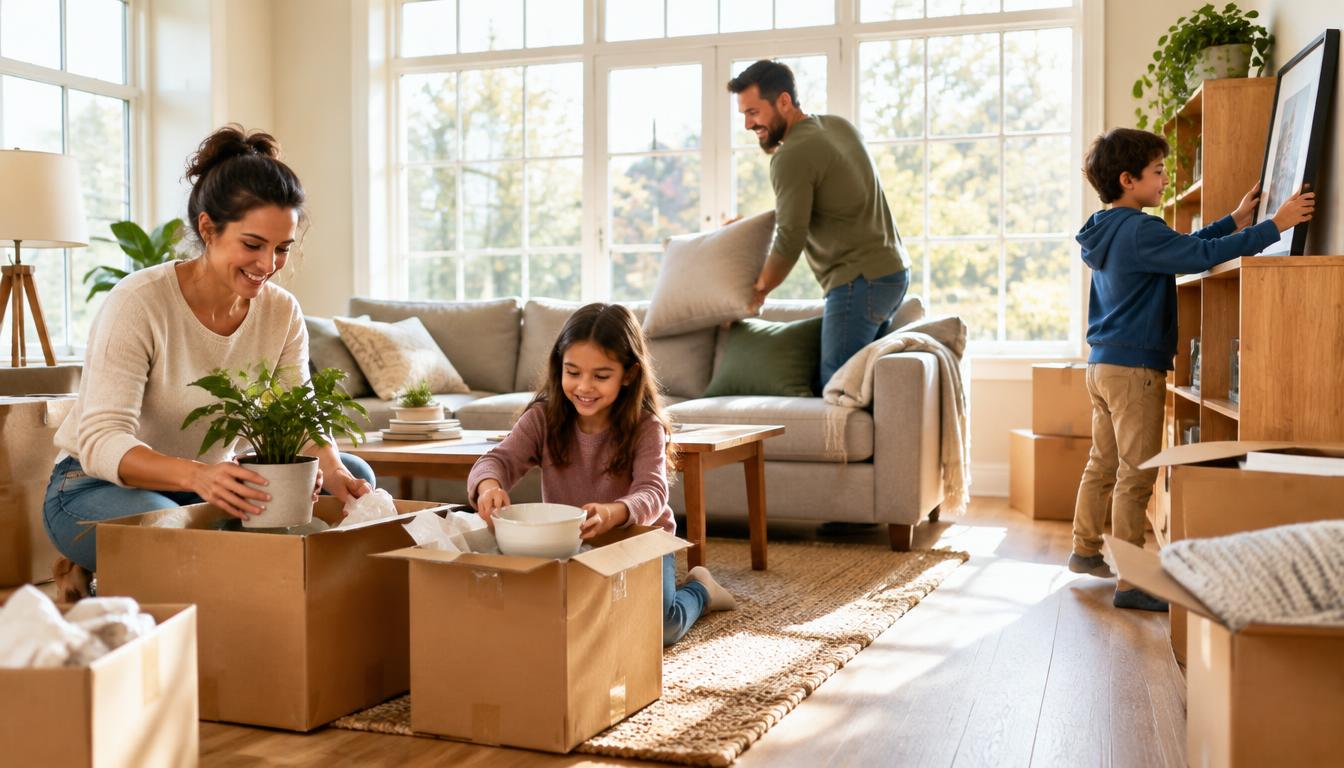
Why the first two weeks set the tone
Moving day gets most of the attention, but what happens in the two weeks after you arrive is what actually turns a new house into a home. Unpacking strategically, getting your essentials in order, and learning your new surroundings all take intentional effort. Here's how to make that transition smoother.
Days 1 to 3: prioritize function over perfection
In the first few days, resist the urge to unpack everything at once. Instead, focus on what makes daily life functional.
- Set up beds first so everyone has a comfortable place to sleep
- Unpack the kitchen essentials: dishes, basic cookware, and a few pantry staples
- Locate and organize bathroom items so morning routines aren't disrupted
- Find your "first night" box if you packed one, and keep using it for a few extra days
- Check that all appliances are working properly and report any issues to your landlord or the previous owner right away
If your belongings haven't all arrived yet because of a long-distance move, our long-distance moving team can walk you through expected delivery timing so you know what to plan around.
Days 4 to 7: build your systems
Once the essentials are handled, start creating systems that will make daily life easier long term.
- Unpack room by room rather than jumping between spaces, which helps you stay organized and see real progress
- Assign a "home" for frequently used items like keys, mail, and chargers near the entryway
- Set up your home office or workspace if you work remotely, so you can get back into a routine
- Break down and recycle boxes as you empty them to avoid clutter taking over your space
- If you're overwhelmed by the process, our home organizing service can help you set up functional, lasting systems in your new space
Days 8 to 14: get to know your new area
By the second week, most essential unpacking should be behind you, and it's time to start settling into the neighborhood itself.
- Register your vehicle and update your driver's license if you've moved to a new state
- Find a local grocery store, pharmacy, and healthcare providers near your new home
- Update your address with your bank, employer, subscriptions, and the post office if you haven't already
- Introduce yourself to neighbors, which can help you learn useful local tips about the area
- Explore a few nearby parks, restaurants, or community spaces to start feeling oriented
Handling leftover boxes and storage needs
It's normal to still have a few boxes you're not ready to deal with after two weeks, especially seasonal items or things you're still deciding where to put. If you need extra space while you figure out a long-term plan, our storage solutions option gives you flexibility without the pressure of unpacking everything at once.
Taking care of specialty items
If you moved a piano, antiques, or sensitive equipment, give them time to adjust to the new environment before heavy use, especially if there was a significant climate change involved in your move. Our specialty moving team can advise on care after delivery if you have concerns.
Managing the emotional side of a move
Settling in isn't just physical, it's emotional too. It's normal to feel a mix of excitement and homesickness, especially after a long-distance move away from family and familiar routines. Give yourself grace during this adjustment period, keep in touch with friends and family from your previous home, and try to establish a few new routines quickly, like a regular coffee shop or a walking route, to help the new place start to feel familiar.
A simple two-week checklist
- Beds and bathrooms set up on day one
- Kitchen functional within the first few days
- Utilities, internet, and mail forwarding confirmed
- Address updated with key institutions
- Boxes unpacked room by room, broken down as you go
- Local essentials identified: grocery store, pharmacy, doctor
- Vehicle registration and license updated if needed
- A plan in place for any remaining storage needs
Building a routine in your new neighborhood
Establishing a routine quickly is one of the most effective ways to feel settled in a new home. Simple habits, like a regular grocery run, a morning walk route, or a weekend coffee shop visit, help a new neighborhood start to feel familiar faster than you might expect. For families with children, enrolling them in school and finding a few recurring activities, whether through a local sports league, library program, or community center, can ease the adjustment considerably.
If you moved for work, try to establish your commute and work-from-home routine within the first week or two so that part of your life feels stable while the rest of the house comes together around you.
Reconnecting utilities and services
While most utility transfers happen before move-in, the first two weeks are also the time to confirm everything is working as expected. Test internet speed and connectivity, confirm trash and recycling pickup schedules, and make sure you understand any homeowners association or building rules that apply to your new address. If anything was missed in the initial setup, addressing it early prevents small issues from becoming bigger headaches later.
Finding your community
Beyond the physical setup of a new home, finding community is often what makes a new place start to feel like home emotionally. Look into local community boards, neighborhood social media groups, or local events calendars to find activities that match your interests. For families relocating a significant distance, such as a move covered under our Florida to New York movers or similar long-distance routes, giving yourself permission to take time building new connections, rather than expecting it to happen immediately, makes the adjustment feel far less overwhelming.
Revisiting your moving checklist
About two weeks in, it's worth revisiting your original moving checklist to make sure nothing fell through the cracks, from address changes to vehicle registration to any outstanding paperwork related to your old home, such as a final walkthrough or security deposit return. Closing these loose ends gives you a clean break from your old home and lets you focus fully on your new one.
Frequently asked questions
What should I unpack first in a new home? Start with beds, basic kitchen items, and bathroom essentials so your household can function comfortably while you work through the rest of your boxes at a reasonable pace.
How long does it typically take to fully settle into a new home? Most of the physical unpacking can be done within the first two weeks, though it often takes a few months to feel fully adjusted to a new neighborhood and routine, especially after a long-distance move.
Should I unpack everything right away or take my time? There's no need to rush. Prioritize function first, then work through remaining boxes at a steady pace, using the room-by-room approach to avoid feeling overwhelmed.
What if I don't have room for everything right away? Consider using short-term storage solutions for items you're not ready to find a place for, which takes the pressure off trying to fit everything in on day one.
How do I get organized if I'm feeling overwhelmed? Our home organizing service can help you set up functional systems for your kitchen, closets, and living spaces so your new home feels put-together faster.
If you're planning an upcoming move and want a team that supports you well beyond moving day, get a free quote or contact our team to get started.