
Moving tips
How to Prepare for Moving Day: The Final 48 Hours
October 8, 2026
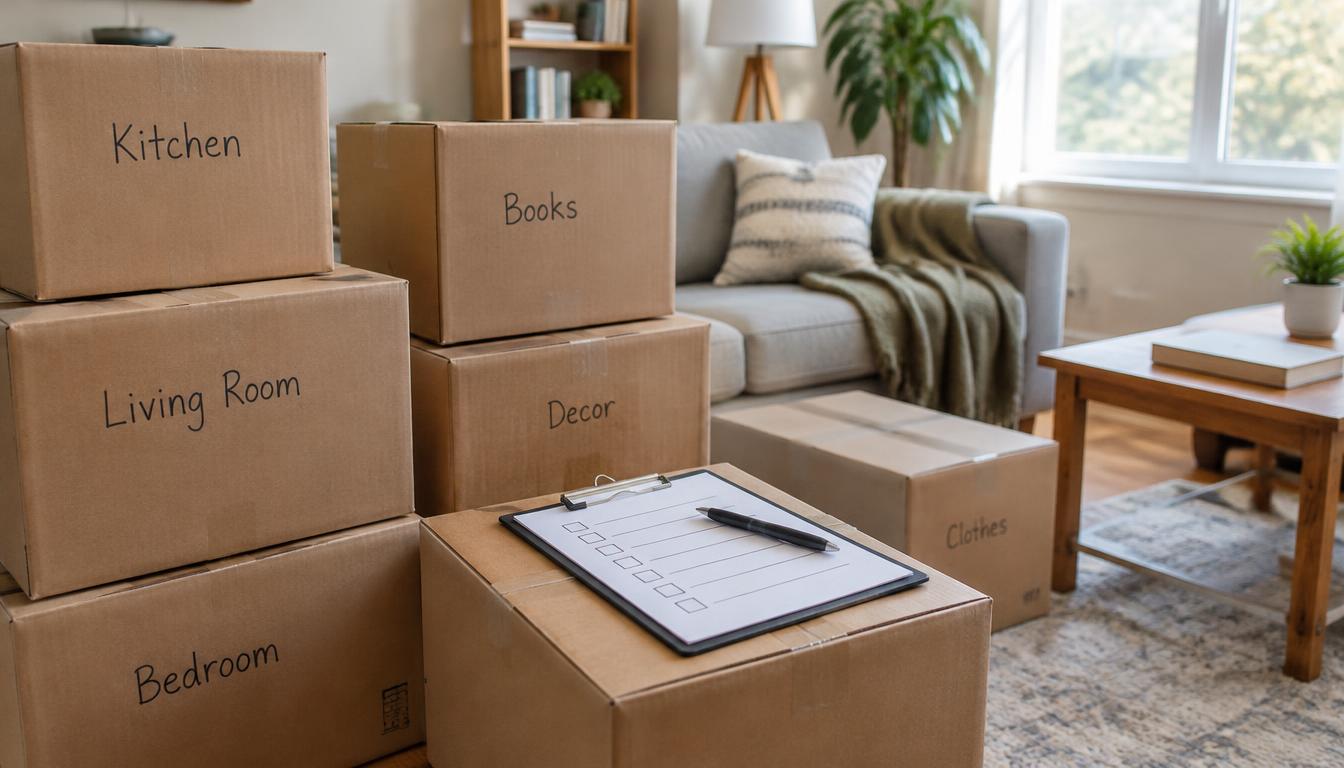
Why the last 48 hours matter most
No matter how far in advance you plan, the final two days before a move are when things tend to feel most chaotic. Last-minute packing, logistics, and loose ends can pile up quickly. Having a clear plan for these last 48 hours helps you walk into moving day calm, organized, and ready, rather than scrambling.
With 28+ years of experience helping families move, we've put together this practical countdown to help you use your final two days wisely.
48 hours before: finish the heavy lifting
With two days left, your focus should be on finishing packing and confirming logistics.
- Finish packing every room except the essentials you'll need for the next two nights
- Confirm your moving company's arrival window and contact information
- Charge phones, laptops, and any devices you'll need during the move
- Set aside important documents like IDs, leases, medical records, and moving paperwork in a folder you keep with you, not in a box
- Confirm parking arrangements for the moving truck at both your old and new address
- Take photos of your home's condition, especially a rental, for move-out documentation
If you've hired professional packing services, confirm the schedule so packers and movers don't conflict with each other.
24 hours before: the final push
With one day left, narrow your focus to the essentials.
- Pack a clearly labeled "first night" box with toiletries, chargers, medications, a change of clothes, and basic kitchen items
- Empty, defrost, and clean your refrigerator if it's being moved
- Disconnect and prepare major appliances according to manufacturer instructions
- Confirm utilities are scheduled to be shut off at your old home and turned on at your new one
- Set aside cash or payment method for movers if needed, and review your estimate one more time
- Do a final sweep of closets, drawers, attics, and garages for forgotten items
- Secure pets and young children's essentials separately so they aren't accidentally packed away
If you're shipping a vehicle through our auto shipping service, confirm pickup timing now so it doesn't overlap with your household move.
Moving day morning: before the truck arrives
- Walk through your home one last time with your inventory list
- Make sure pathways are clear for movers, including removing rugs that could cause tripping
- Keep valuables, important documents, and jewelry with you rather than on the truck
- Have snacks and water available for your family and the moving crew
- Take final photos of each room once it's empty, which helps with rental deposit disputes
- Keep your phone charged and accessible for coordinating with your moving team
While the movers load your belongings
Stay available to answer questions, but try not to hover over every box. Trust the process, especially if you're working with an experienced team that handles local moving or long distance moving regularly. If you have specialty items like a piano, antiques, or medical equipment, make sure the crew knows in advance; see our specialty moving page for how we handle those.
Do a final walkthrough with the lead mover before the truck departs to confirm nothing was missed in closets, cabinets, or storage areas.
Arriving at your new home
- Do a walkthrough of the new space before unloading begins, noting any existing damage
- Direct movers to place boxes in the correct rooms based on your labeling system
- Set up beds and essential furniture first so your family has a comfortable place to rest
- Keep your "first night" box accessible immediately upon arrival
- If you've arranged storage solutions for items that won't fit right away, confirm the drop-off details separately
A few extra tips for a smoother day
- Dress in comfortable clothes and closed-toe shoes
- Keep a small toolkit handy for reassembling furniture
- Label boxes by room, not just contents, so movers know exactly where to place them
- If you're downsizing or need help organizing your new space afterward, our home organizing service can help you settle in faster
Preparing kids and pets for moving day
Moving day can be overwhelming for children and pets, who may not understand why their familiar environment is suddenly full of boxes and strangers carrying furniture out the door. If possible, arrange for a friend, family member, or pet sitter to watch young children and pets during the busiest hours of loading. This keeps them safe from a house full of open doors and heavy furniture in motion, and it reduces stress for everyone involved. If that's not an option, set up a quiet, enclosed space with familiar toys, snacks, and entertainment away from the main traffic areas.
For pets specifically, keep them in a separate room with a sign on the door so movers know not to open it, and make sure their crate, leash, food, and water are easily accessible rather than packed deep in a box.
Coordinating with your moving crew
Clear communication with your moving crew on the morning of the move sets the tone for the entire day. When the team arrives, take a few minutes to walk through the home together, point out any items requiring special handling, such as those covered in our specialty moving service, and confirm the general plan for loading order. If you have specific instructions, like which boxes need to be loaded last so they come off first at your new home, communicate that clearly at the start rather than mid-process.
It also helps to designate one person in your household as the main point of contact for the moving crew, rather than having multiple family members giving different instructions throughout the day. This keeps communication clear and avoids confusion.
What to do if plans change last minute
Even with the best planning, moving day doesn't always go exactly as expected. Weather, traffic, or scheduling conflicts can occasionally shift timing. If you anticipate any changes, contact your moving company as early as possible so they can adjust their schedule. Companies with experience handling tight timelines, like those described in our last-minute movers guide, are generally better equipped to adapt quickly when circumstances shift at the last minute.
Frequently asked questions
What should I pack in my "first night" box? Pack toiletries, a change of clothes, phone chargers, medications, basic kitchen items, and any paperwork you'll need immediately, so you aren't digging through boxes the first night in your new home.
Should I be present the entire time movers are loading the truck? It's a good idea to be available for questions and a final walkthrough, but you don't need to supervise every item. Experienced crews are trained to work efficiently and carefully without constant direction.
What's the best way to label boxes? Label each box with the room it belongs in and a general description of contents, rather than an exhaustive list. This speeds up unloading and placement significantly.
How far in advance should utilities be scheduled? Ideally, schedule utility shut-off and turn-on dates at least a week before your move, with a final confirmation check during your 48-hour countdown.
What if something was missed during the final walkthrough? Contact your moving company as soon as possible. A reputable company will work with you to resolve it, which is one more reason to choose a licensed, insured, experienced team from the start.
If your moving day is coming up and you still need a reliable team on your side, get a free quote or contact our team. We'll help you plan the details so your final 48 hours go as smoothly as possible.