
Moving tips
Moving with Pets: How to Keep Them Calm and Safe
October 8, 2026
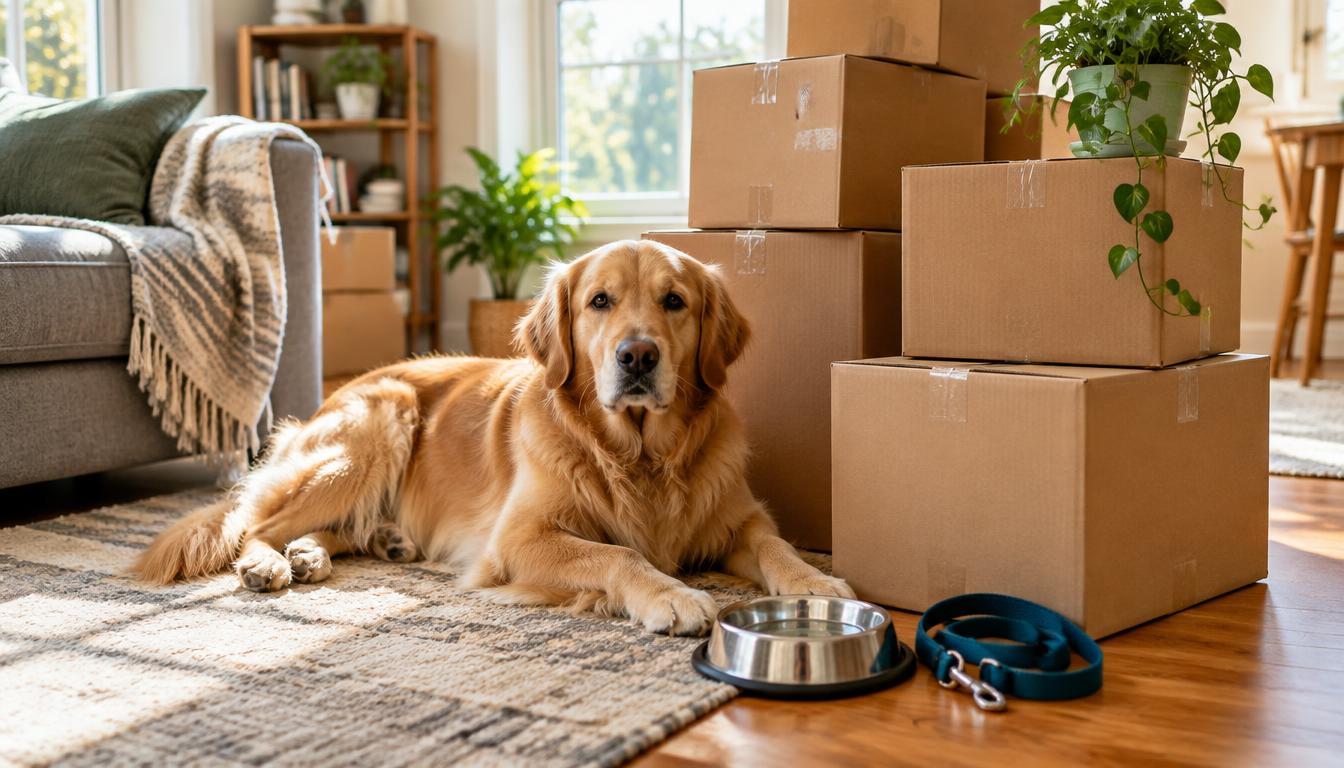
Pets don't understand why their home is suddenly full of boxes, strangers are carrying out the furniture, and their routine is upside down. Moving can be genuinely stressful for animals, but with the right preparation, you can help keep them calm, safe, and comfortable throughout the process.
Here's how to plan for your pets at every stage of the move, whether you're relocating across town or taking on a long distance move.
Before the move: preparation matters
Pets tend to pick up on change well before moving day actually arrives. The more you can do to prepare in advance, the less disruptive the transition will feel.
- Visit the vet for a checkup and copies of vaccination and medical records, especially for an out-of-state move
- Update your pet's microchip information and ID tags with your new address as soon as you know it
- Research pet policies, local vets, and nearby parks in your new area ahead of time
- Keep your pet's food, bed, and toys out of boxes until the last possible moment to maintain routine
- If your pet is anxious by nature, consider introducing a travel carrier early so it feels familiar rather than threatening
Packing around pets
- Pack your pet's belongings last, and keep a "pet bag" separate with food, bowls, medication, and comfort items
- Try to maintain regular feeding and walking times throughout the packing process
- Keep doors closed or use a baby gate to prevent pets from slipping outside during the chaos of loading boxes
Moving day: keeping pets safe and calm
Moving day is usually the most stressful part for pets, with unfamiliar people, open doors, and a lot of activity. The safest approach is often to keep pets in a quiet, secure space away from the action.
- Set up pets in a closed-off room, a boarding facility, or with a trusted friend for the day
- Make sure the space has food, water, and familiar bedding
- Check on pets periodically to reassure them if they're staying in the home
- Never let pets roam freely during loading or unloading since doors will be opening and closing frequently
Transporting pets for long distance moves
If your move involves a significant distance, you'll need a plan for how your pet travels, separate from the moving truck. Pets typically travel with family members in a personal vehicle or by pet-specific transport service, not inside the moving truck with household goods.
- Plan for regular stops on road trips to allow for bathroom breaks, food, and water
- Keep pets secured with a harness, carrier, or pet seatbelt during travel
- Bring familiar bedding or a toy to help reduce anxiety during the trip
- For flights, check airline-specific requirements well in advance, since rules vary widely
Settling pets into your new home
The adjustment period doesn't end once you arrive. Pets often take time to feel comfortable in a new environment, and a few extra precautions in the first days can help prevent escape attempts or anxiety-driven behavior.
- Set up familiar items, like their bed and bowls, in a consistent spot right away
- Keep pets on a leash or in a carrier during the actual unloading process
- Do a walkthrough of the new home and yard to check for escape routes or hazards before letting pets explore freely
- Stick to normal feeding and walking schedules as closely as possible
- Give cats time to adjust gradually to new spaces rather than allowing free roam immediately
Watching for signs of stress
It's common for pets to show some signs of stress after a move, including changes in appetite, increased clinginess, or temporary behavior changes. Most pets adjust within a few weeks. If stress behaviors persist or worsen, it's worth checking in with a veterinarian, especially after a long or difficult move.
Moving with multiple pets or less common animals
If you have multiple pets, more hands-on-deck during the actual move can help keep everyone calm and accounted for. For reptiles, birds, or other animals with specific temperature or environmental needs, extra planning is important, particularly for long distance or interstate moves where temperature control during transport matters.
Frequently asked questions
Can pets ride in the moving truck?
No, pets should not travel in the moving truck. They should travel with family in a personal vehicle or via a pet-specific transport service to ensure proper ventilation, temperature control, and safety.
How do I keep my dog calm during a move?
Keep your dog in a quiet, familiar space away from the activity of loading and unloading, maintain their regular routine as much as possible, and consider calming aids recommended by your vet if your dog is especially anxious.
Should I update my pet's microchip before moving?
Yes, update your pet's microchip registration and ID tags with your new address as soon as it's confirmed, ideally before moving day in case they become startled and get loose during the process.
How long does it take for a pet to adjust to a new home?
Most pets adjust within a few days to a few weeks. Cats in particular may need a more gradual introduction to a new space compared to dogs.
Do I need a health certificate to move with pets across state lines?
Some states require a recent veterinary health certificate for pets crossing state lines, particularly for air travel. Check with your vet and your destination state's requirements well before your move date.
Moving with pets takes a bit of extra planning, but it's well worth it to keep them safe and comfortable throughout the transition. If you'd like help coordinating the logistics of your move, get a free quote or contact our team today.